
SANERGRID® Electrical Transformer Risk Management
Fire, Pollution, Containment, Noise and Operational Continuity
Electrical transformers, particularly oil-immersed transformers, concentrate several major technical and environmental risks: soil contamination, hydrocarbon pool fires, fire propagation between adjacent equipment, noise and vibration disturbances, and the management of rainwater and fire-fighting water.
As transformers are critical components of the electrical grid, protecting them and reducing the risks of failure, fire and power outages is essential.
Controlling these risks is a central challenge for MV/HV substation operators, industrial sites and power generation facilities — both for personnel safety, regulatory compliance and service continuity.
The SANERGRID® Group addresses these challenges through a comprehensive approach combining engineering, technical equipment and on-site services throughout the entire transformer lifecycle.
-
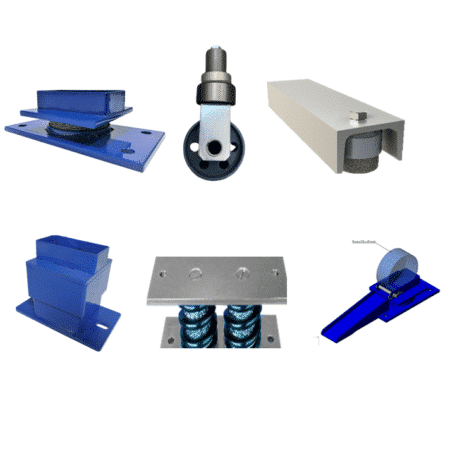
Anti-vibration systems (6)
-
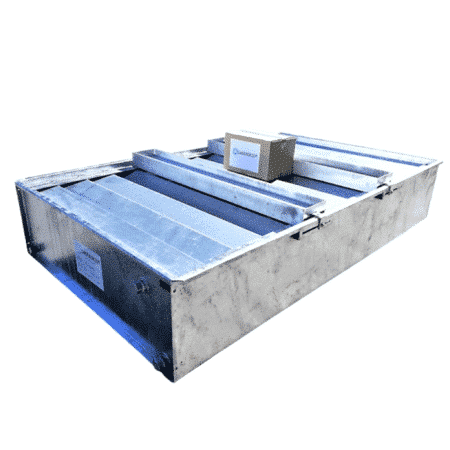
Extinguishing retention tanks (7)
-
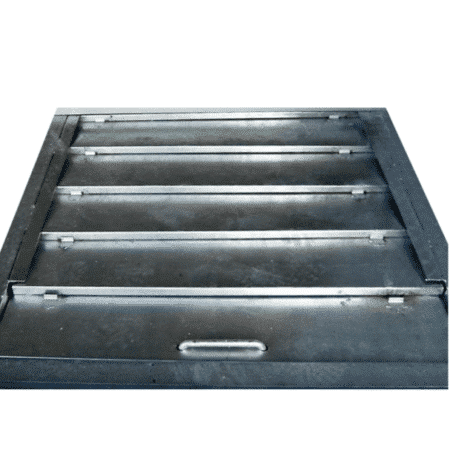
Fire suffocating covers for pits (3)
-
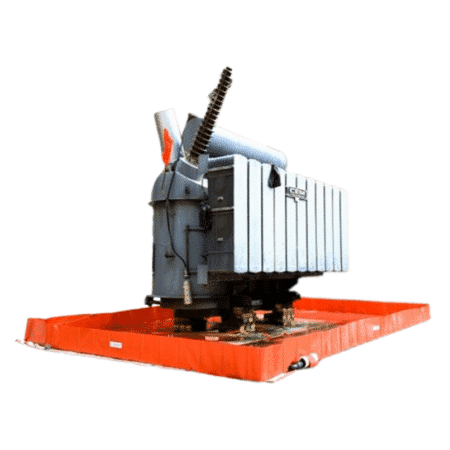
Flexible storage berms (7)
-
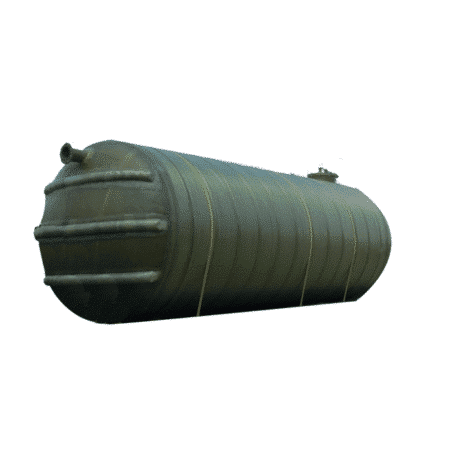
Prefabricated subterranean pits (1)
-
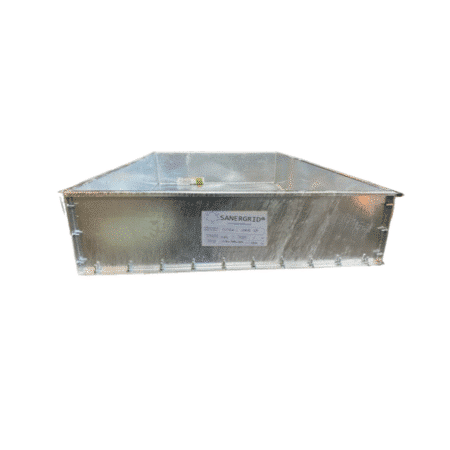
Simple retention tank (7)
-
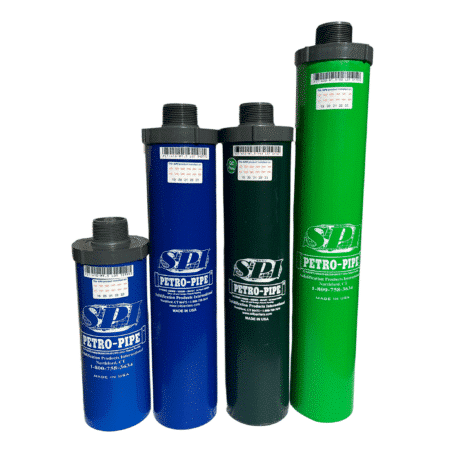
SPI anti hydrocarbons filters (22)
Engineering and Transformer Retention Fire and Pollution Protection
Preventing Soil Contamination from Dielectric Oils
Oil Containment: A Regulatory and Environmental Requirement
Oil-filled transformers contain significant volumes of dielectric liquid, whether mineral oil or ester-based fluids. In case of leakage, these hydrocarbons can cause long-term soil and surface water contamination. Regulations therefore require the implementation of watertight transformer oil containment solutions capable of retaining the full transformer oil volume, including under rainfall conditions.
SANERGRID® Transformer Oil Containment Solutions
SANERGRID® designs and supplies:
-
Watertight transformer containment basins installed beneath transformers or as remote containment pits.
-
Modular systems adapted to large capacities and reduced installation time.
-
Drainage, isolation, control and monitoring accessories, including level sensors and alarm systems.
These solutions:
-
Prevent soil infiltration and ensure dielectric oil retention.
-
Reduce environmental remediation costs through proactive oil spill prevention for transformers.
-
Ensure transformer environmental compliance with French and European environmental regulations, including ICPE compliance requirements and oversight by environmental authorities.
Management of Rainwater Contaminated by Hydrocarbons
A Frequently Underestimated Risk
In outdoor installations, rainwater can accumulate in containment basins. If an oil leak occurs simultaneously, uncontrolled discharge may lead to off-site pollution. Since electrical pumping systems may be unreliable, it is essential to ensure continuous hydrocarbon filtration for bund drainage while controlling discharge quality. This guarantees permanent availability of transformer retention bund volume in compliance with regulatory requirements.
This requirement for transformer pollution prevention is notably defined in international standards and guidelines such as:
-
IEC standards / CIGRE Technical Brochures
-
European standard EN 61936-1
-
French standards NF C 13-200 and NF C 17-100
-
EN 858-1 standard for oil separators
-
CNPP D9A Guide – Firewater containment systems
Controlled Rainwater Hydrocarbon Filter and Discharge
SANERGRID® integrates high-performance hydrocarbon rainwater filtration systems that enable:
-
Continuous discharge of clean water via a rainwater hydrocarbon filter.
-
Filtration of hydrocarbon traces to ensure discharge below 5 ppm.
-
Immediate confinement and closure in case of oil detection.
-
Protection of drainage networks and environmental protection for substations.
These systems are adapted to site flow rates using hydrophobic and oleophilic technologies from SPI Solidification Product International and its patented systems PETRO PIPE, PETRO PIT, PETRO BARRIER and PETRO PLUG. Solutions can include intelligent communicating sensors such as MONITOFLOW®.
Reducing Transformer Fire Protection Systems – Hydrocarbon Pool Fires
Understanding the Risk and Preventing Domino Effects
When dielectric oil spreads, it may produce a Class B fire — also known as a “hydrocarbon pool fire.” Such fires are difficult to control and may rapidly spread to adjacent equipment. Robust transformer fire protection systems are required to contain intense thermal radiation.
Transformer Fire Barriers and Compartmentalization
SANERGRID® develops transformer risk mitigation solutions to:
-
Passively limit oxygen supply, slowing or naturally extinguishing combustion by suffocation.
-
Fragment the oil surface and contain it within a fire-resistant volume.
These solutions include:
-
Containment basins equipped with ERT and TRT fire barrier devices.
-
Fire-resistant cover systems and technical fire grating for concrete pits (EXTICOV CCF and EXTICOV LHD).
-
Prefabricated remote containment pits DEPOSIT®, offering modern transformer fire protection systems.
Firewater Treatment and Emergency Management
Anticipating Emergency Situations
Fire-fighting water may be heavily contaminated with hydrocarbons and extinguishing agents. Uncontrolled discharge requires transformer environmental compliance with:
-
EU Water Framework Directive 2000/60/EC
-
CNPP D9A Guide – Firewater treatment and containment systems
Confinement and Treatment
SANERGRID® provides firewater treatment solutions through its DEPOSIT® range:
-
Mechanical settling and oil-water separation using DEPOSIT® MV and MONITOFLOW® connected sensors.
-
Continuous hydrocarbon filtration for bund drainage at outlet via DEPOSIT® SEPTA.
-
Temporary firewater containment via DEPOSIT® DW, capable of collecting water polluted by extinguishing agents.
-
Above-ground or underground firewater storage reservoirs DEPOSIT® RH2O.
Reducing Transformer Noise and Vibrations
A Key Issue for Acceptance and Durability – SANERVIB® Solutions
Transformers generate noise and vibrations that can impact surrounding communities. These phenomena are managed through our global transformer risk mitigation solutions.
Acoustic and Anti-Vibration Solutions
SANERGRID® implements the SANERVIB® range:
-
Acoustic screens and enclosures for environmental protection for substations.
-
Vibration isolation systems (mounts, mechanical interfaces).
SANERVIB® systems exclusively use metallic steel materials, ensuring long-term transformer risk mitigation solutions without relying on flammable polymers whose elasticity degrades over time.
A Comprehensive Approach by the SANERGRID® Group
The SANERGRID® Group relies on its complementary entities to deliver coherent transformer oil containment solutions:
-
SANERGRID® – engineering and manufacturing of transformer pollution prevention and fire protection.
-
SYNERDIS® – distribution of MV/HV transformers and equipment.
-
SONEC® – on-site services, installation and maintenance.
-
TECHNIKELEC® – e-commerce platform for accessories and technical spare parts.
This organization supports operators from risk assessment to long-term maintenance, ensuring ICPE environmental compliance and operational safety.